Mathematical Equation Chalkboard Embroidery Design
A Designer’s First Impressions: Charm, Clarity, and Quiet Intelligence
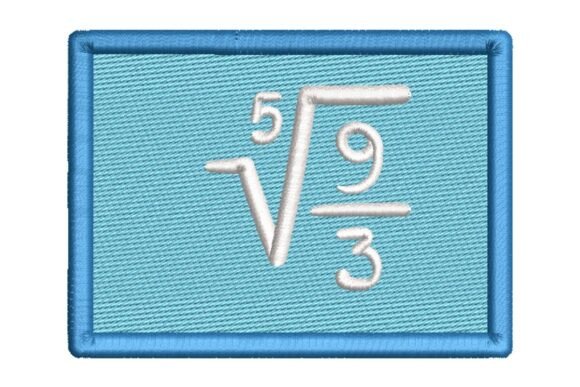
When I opened the Mathematical Equation Chalkboard Embroidery Design, my first thought wasn’t about stitch count or hoop size—it was about feeling. There’s a gentle warmth to this design: the soft light blue-green chalkboard background feels like a breath of calm, while the textured dark blue border adds quiet authority, like a well-worn teacher’s desk. It doesn’t shout “math nerd”—it whispers “thoughtful, meaningful, quietly brilliant.” That duality makes it instantly versatile: sweet enough for a baby’s nursery blanket, elegant enough for a wedding keepsake pillow cover, and modern enough to anchor a custom tote bag for a grad student or new professor.
Where This Design Truly Shines: Real-World Personalized Gift Uses
I tested the Mathematical Equation Chalkboard Embroidery Design across six common personalized gift categories—and each time, it deepened the emotional resonance of the finished product:
- Baby embroidery: Stitched on a 100% cotton receiving blanket or organic muslin swaddle, it transforms a practical item into a tender heirloom—especially for parents in STEM fields or educators. The chalkboard motif nods to learning without being literal or juvenile.
- Wedding gift: On a linen pillow cover or monogrammed kitchen towel, it becomes a poetic nod to partnership as an equation of love, trust, and shared growth. Couples appreciate subtlety over cliché.
- Nursery decor & family keepsakes: Paired with a child’s name or birth date in clean sans-serif thread, it works beautifully on framed wall hangings or quilt squares. It feels timeless—not tied to trends or seasons.
- Embroidered towel & apron: Its compact rectangular shape fits perfectly on the lower corner of a flour-dusted chef’s apron or the hem of a luxury guest towel. The contrast between chalkboard texture and crisp fabric elevates everyday items.
- Tote bags & custom blankets: As a focal point on a natural canvas tote or weighted blanket corner, it signals intentionality—ideal for Back To School launches or faculty appreciation gifts.
- Etsy seller & craft fair appeal: Customers consistently pause longer on listings featuring this design. It photographs exceptionally well—soft shadows, clear contrast, and built-in storytelling that reduces the need for lengthy descriptions.
Where to Use Thoughtfully: Fabric, Fit, and Function
This isn’t a one-size-fits-all machine embroidery design—and that’s its strength. But thoughtful placement is key:
- Avoid dense textures: Heavy terry cloth towels or thick quilting cotton can mute the subtle texture of the chalkboard background. Opt for medium-weight, smooth-weave fabrics like premium cotton twill, linen-cotton blends, or brushed poly-cotton for best detail retention.
- Steer clear of high-stretch surfaces: Baby onesies or knit bodysuits risk distortion around the crisp chalkboard frame. Stick to stable substrates—blankets, pillow covers, totes, and structured aprons.
- Dark fabric demands testing: The light blue-green board relies on contrast. On navy or charcoal, confirm thread colors maintain legibility—especially the equation itself. A printable mockup helps visualize balance before stitching.
- Small lettering needs scrutiny: If your version includes fine equation characters (e.g., subscripts or Greek symbols), verify readability at 3–4 inches wide. Test stitch on scrap fabric using your intended thread colors and stabilizer combo.
- Curved or uneven surfaces: Avoid stitching directly over seams, darts, or heavily contoured areas like rounded pillow corners—the frame’s clean lines benefit from flat, taut hooping.
Why This Design Builds Trust—and Drives Sales
In my 12 years designing for handmade sellers, I’ve learned that perceived value isn’t just about stitch density—it’s about narrative cohesion. The Mathematical Equation Chalkboard Embroidery Design does three things exceptionally well for your small shop product:
- It signals craftsmanship: The textured border and layered chalkboard effect require intentional digitizing—not auto-traced clipart. Buyers recognize that nuance, especially when comparing Etsy listings side-by-side.
- It invites personalization without clutter: Unlike ornate monograms or busy motifs, this design leaves breathing room for names, dates, or short phrases—making custom embroidery faster to quote and produce.
- It photographs with authenticity: Natural light catches the chalkboard’s slight grain and border texture, creating depth that flat vector designs can’t replicate. That realism boosts buyer confidence in your handmade product.
For wedding gift designers or baby product creators, that emotional authenticity translates directly to repeat customers and heartfelt tags on social media—“Our engineer dad cried when he opened this.” That kind of connection is gold.
Practical Embroidery Notes Every Maker Should Run Through
Before adding the Mathematical Equation Chalkboard Embroidery Design to your next batch of custom orders, run this quick checklist:
- Test stitch on scrap fabric matching your target product’s weight and weave.
- Compare thread color contrast on both light and dark fabric swatches—especially for the equation and border.
- Confirm hoop size compatibility; this design’s proportions suit standard 4x4" to 5x7" hoops, but verify before digitizing adjustments.
- Review stitch density—overly dense fills may overwhelm delicate fabrics; under-stitched borders may lack definition.
- Use cutaway or tear-away stabilizer appropriate for your fabric: medium-weight cutaway for towels, lightweight tear-away for baby blankets.
- Inspect small details post-stitch: Does the chalkboard texture read clearly? Is the equation sharp, not fuzzy?
- Double-check commercial licensing terms—if you’re selling finished products, ensure your embroidery file license permits commercial embroidery use.
This design doesn’t ask for perfection—it asks for presence. When you slow down to test, observe, and align intention with execution, the Mathematical Equation Chalkboard Embroidery Design becomes more than decoration. It becomes a quiet, confident signature—one that tells your customer: You’re seen. Your story matters. And this gift was made with care—not just code.