School Alphabet Cross Stitch Pattern
A Seasonal Designer’s First Look: Nostalgic, Playful, and Gift-Ready
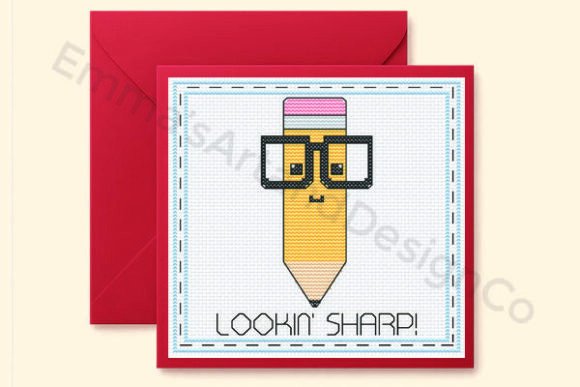
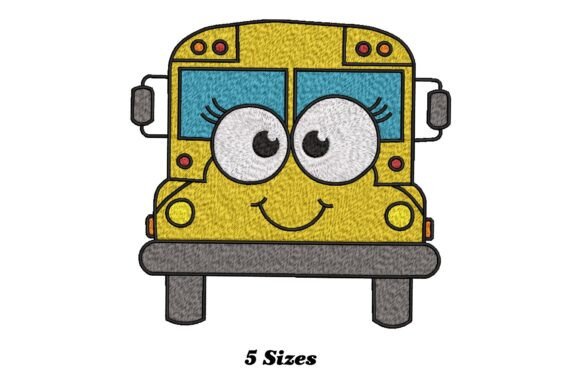
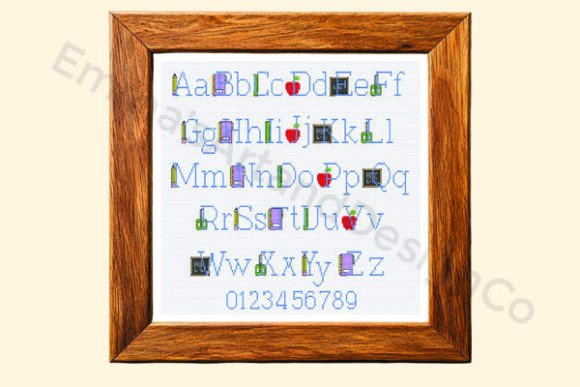
As an embroidery designer who builds seasonal collections for holiday markets and handmade gift shops, my first impression of the School Alphabet Cross Stitch Pattern is immediate and warm—it feels like a quiet celebration of childhood curiosity and back-to-school joy, wrapped in gentle nostalgia. The decorative motifs—pencils, open books, ripe apples, chalk-dusted blackboards, rulers, and scissors—are rendered with clear, friendly lines and balanced spacing. It’s not overly ornate or fussy; instead, it lands squarely in the playful-cute category with subtle vintage charm. That makes it unusually versatile: equally at home on a baby’s onesie as it is on a teacher’s tote bag or a holiday ornament commemorating a child’s first grade.
Why This Pattern Fits Real Holiday Product Strategies
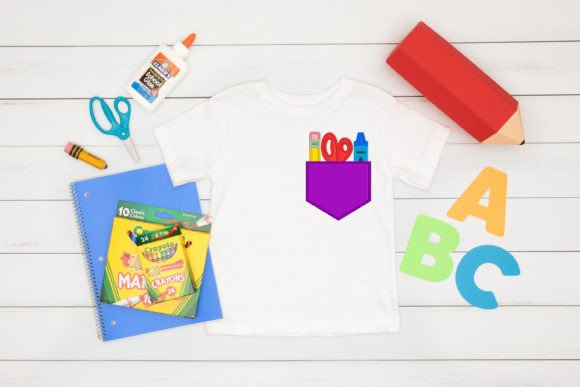
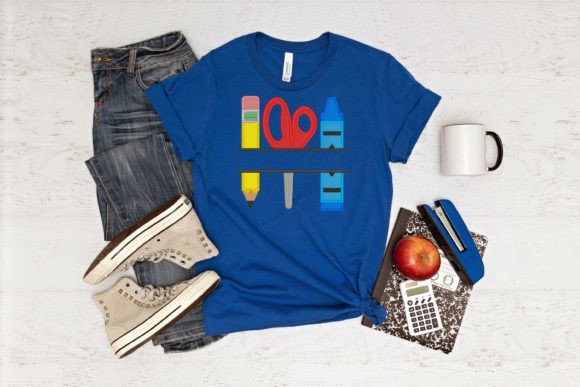
The School Alphabet Cross Stitch Pattern isn’t just charming—it’s commercially intelligent for seasonal sellers. On sweatshirt embroidery, each letter reads clearly at 3–4 inches tall, making it ideal for family matching sets (think “A” for Alex, “B” for Bella) during fall gifting seasons. As a tote bag design, it adds personality without overwhelming—especially when paired with neutral linen or canvas. For kitchen towel embroidery, the apple and book motifs evoke cozy, handmade warmth perfect for Thanksgiving or teacher appreciation week. And on pillow covers or aprons, it delivers instant storytelling: a nursery accent, a classroom-themed baby shower gift, or a custom graduation keepsake.
Etsy sellers will appreciate how naturally this pattern lends itself to gift bundles: pair a stitched “J” pillow with a matching pencil-shaped cookie cutter and a mini chalkboard for a ready-to-ship back-to-school kit. At craft fairs, the School Alphabet Cross Stitch Pattern shines in printable mockups—displaying crisp visuals on light and dark fabric helps buyers imagine it on their own projects. It also performs well in social media previews: clean letterforms with symbolic details (like a tiny ruler tucked beside “R”) generate engagement and shares among homeschool communities and educator audiences.
Where to Use It Thoughtfully—Not Everywhere
While joyful and adaptable, the School Alphabet Cross Stitch Pattern demands thoughtful placement. Avoid using it on items requiring ultra-fine detail at small scale—tiny hoop sizes under 3 inches may lose clarity in the pencil eraser or chalk dust texture. Likewise, avoid dense layering on thick terry cloth kitchen towels unless you adjust stitch density and use cutaway stabilizer; otherwise, the blackboard motif can blur. On dark fabric, test thread colors carefully—the classic school apple red or pencil yellow needs contrast to pop. Metallic thread? Not recommended here: the fine line work doesn’t support shine without sacrificing legibility.
Steer clear of highly stretchy garments (like ribbed knit caps) unless you reinforce with tear-away + cutaway stabilizer combo—and even then, avoid curved surfaces like baseball caps where the blackboard grid or ruler markings could distort. And while it’s lovely on embroidered patches, remember that intricate internal details (e.g., individual chalk marks on the blackboard) may simplify or fill in during digitization for machine embroidery. Always request or create a digital embroidery file version if planning commercial production.
Emotional & Commercial Impact During Peak Seasons
Holiday shoppers don’t just buy letters—they buy meaning. The School Alphabet Cross Stitch Pattern taps into powerful emotional notes: pride in learning, tenderness around early milestones, and quiet reverence for educators. That elevates perceived product value and giftability. A personalized “S” stitched onto a linen drawstring bag feels more intentional—and more memorable—than generic monogramming. For small shop owners, this translates directly to customer trust: consistent, thoughtful design signals professionalism. Visually, the pattern supports strong brand consistency across product lines—whether used on a holiday ornament, a baby milestone blanket, or a printable classroom decoration bundle.
During November–January selling windows, its dual-season appeal stands out: it works for both back-to-school prep *and* end-of-year reflection gifts. That extends shelf life and reduces seasonal inventory risk. Plus, because it’s rooted in universally recognized symbols—not trend-dependent graphics—it avoids quick obsolescence. Buyers recognize it instantly (visual recognition), and that speeds up purchase decisions in crowded Etsy listings or holiday market booths.
Practical Notes from the Embroidery Studio
Before adding the School Alphabet Cross Stitch Pattern to your seasonal lineup, run these checks:
- Test thread colors on both light and dark fabric swatches—especially for the apple red, pencil yellow, and chalk white elements.
- Review stitch density: high-density fills in the book spines or blackboard grids may require reduced density for lightweight cottons or towels.
- Confirm hoop size compatibility: if offering finished products, ensure your embroidery machine or local service provider can handle the largest letter comfortably.
- Use proper stabilizer: medium-weight cutaway for stable fabrics (linen, twill); tear-away + topping for napped or textured surfaces like terry cloth.
- Create realistic mockups—not just flat digital renders, but photos of stitched samples on actual sweatshirt embroidery, tote bag design, and kitchen towel embroidery backgrounds.
- Review small details after stitching: check that chalk marks, pencil leads, and apple stems remain distinct—not fused by thread tension or fabric pull.
- Plan matching color palettes across product types: coordinate thread tones with ink colors on printed tags, packaging, or digital listings.
- Confirm commercial licensing before selling finished seasonal products—especially if marketing as a handmade gift or personalized gift on Etsy or at craft fairs.
Remember: the School Alphabet Cross Stitch Pattern belongs to the Cross Stitch Patterns category, but its strength lies in adaptability across formats—including digitized versions for machine work. Whether you’re sourcing a digital embroidery file or stitching by hand for limited-edition drops, treat it as a foundational seasonal asset—not just a graphic, but a storytelling tool with staying power.